

Pencak Silat
The Guardian FistPencak Silat: The Mystical and Deadly Art of War
Pencak Silat is the most mystical and deadly art of war coming out of Indonesia.
NATURE OF COMBAT & TRADISI ASLI FOCUS
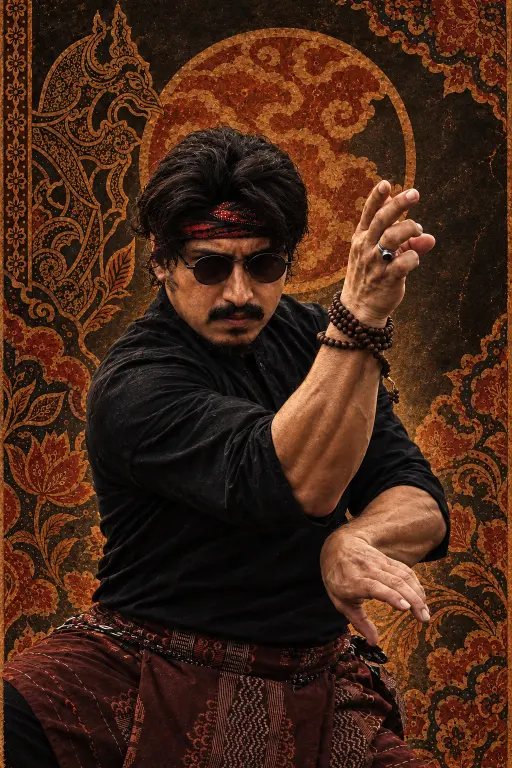
Techniques are applied from a low stable stance and foot work aims to be deeply rooted for maximum power generation during striking, and control during grappling. Every part of the body can be used as a weapon and, similarly, every part of the body is subject to attack.
Pencak Silat is considered a very deadly system for public teaching because of the lethal bladed weapon applications, and Empty Handed Strikes that can indefinitely cause Sudden Death! Pencak Silat has given birth to many famous weapons known for their concealing capacity and Non-counterability like Kerambit Knife (Tiger Claw), Poison Ring, Poison Dart, Golak etc.
OUR CURRICULUM FOCUSES ON THE MASTERY OF:
KEMBANGAN & ACTION CHOREOGRAPHY
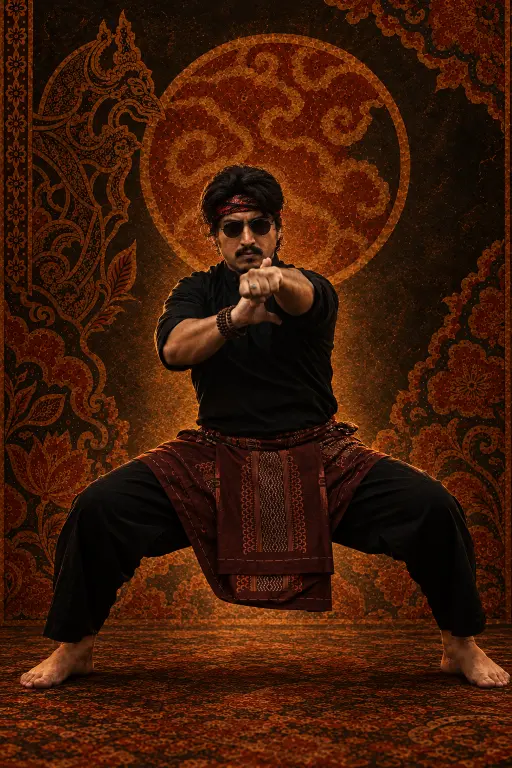
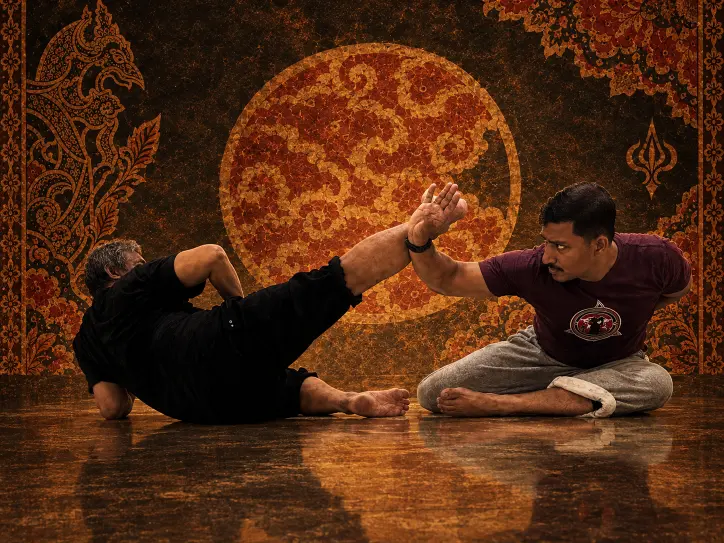
Pencak Silat is a lifelong path for personal growth and physical development. With rich cultural roots, this art includes unique and powerful combat techniques, exotic graceful movements, and unusual yoga-like exercises for developing strength and flexibility. Preset patterns of techniques, called Kembangan, are performed to traditional Indonesian music, helping the practitioner to develop the rhythmic movements that are characteristic of the Indonesian arts, which makes it an amazing system for portrayal of fight scenes in movies (We Provide Action Choreography Services for Ventures).
TRAINING PROGRAMS OFFERED:
While training with us, you will be taken though a step by step, defined and progressive training curriculum, which will help you to achieve your desired skills sets and which will allow you to convey your skills and knowledge in a very practical and direct manner. Our aim is to ensure high quality training and un-disrupted transmission of the system in the most traditional manner, while keeping in mind the practicalities required to make the system work on the streets of this modern-day world. we also want to produce expert individuals with well-rounded knowledge and expertise in the art of Pencak Silat who can then carry forward the legacy in future
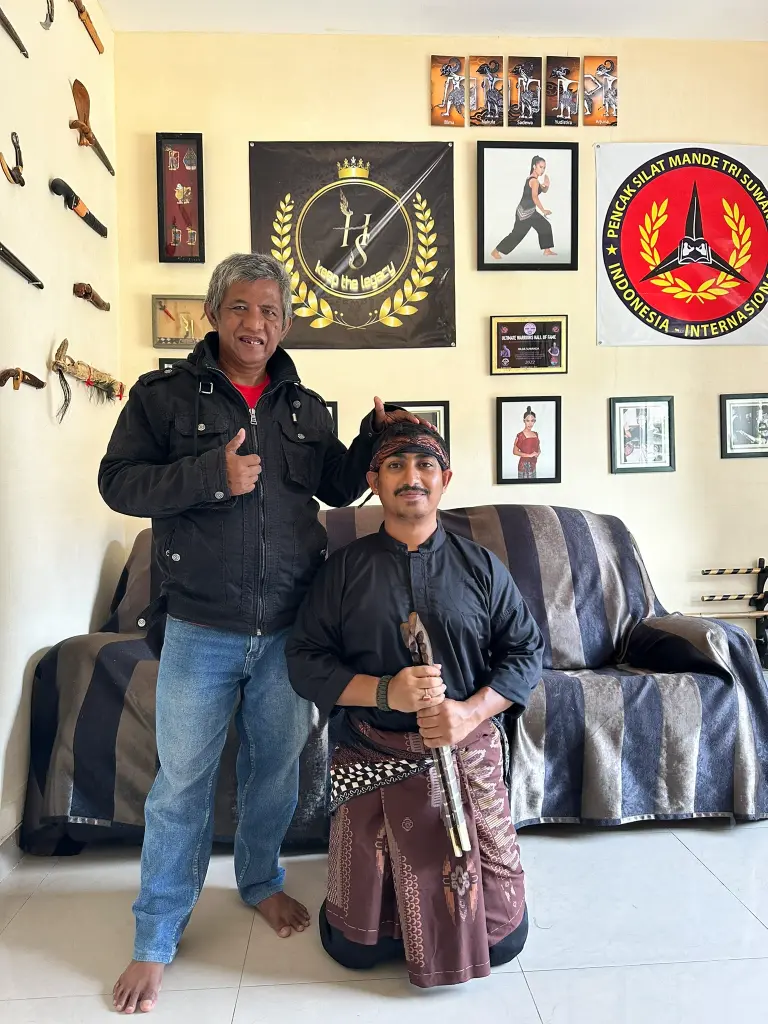
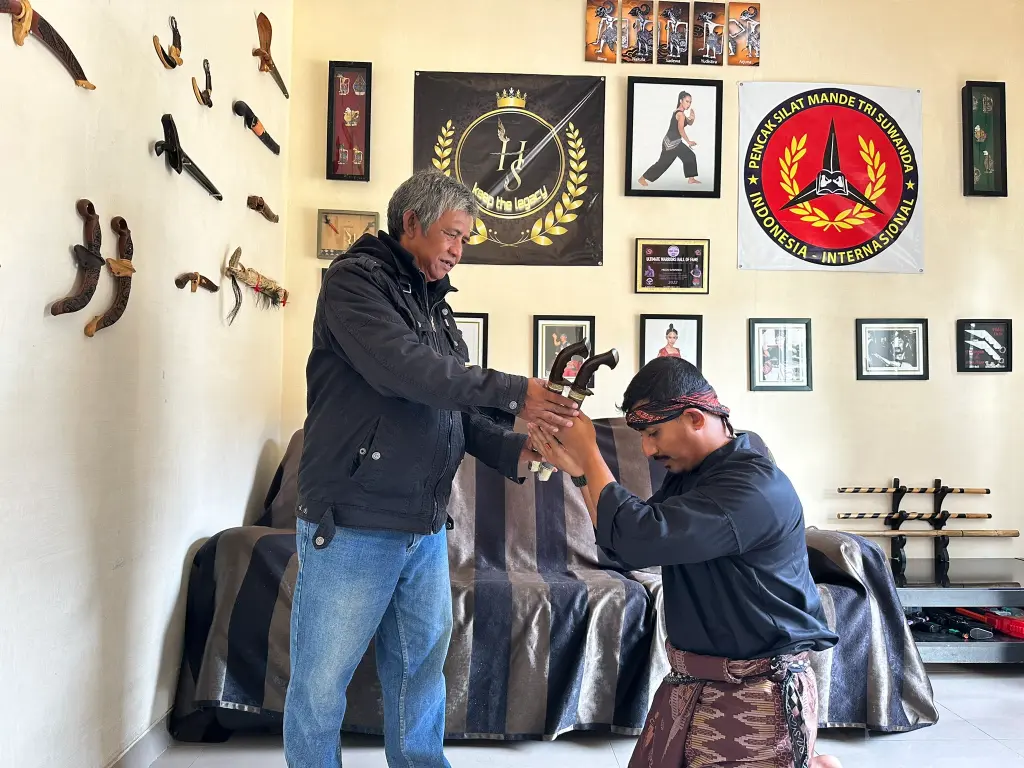
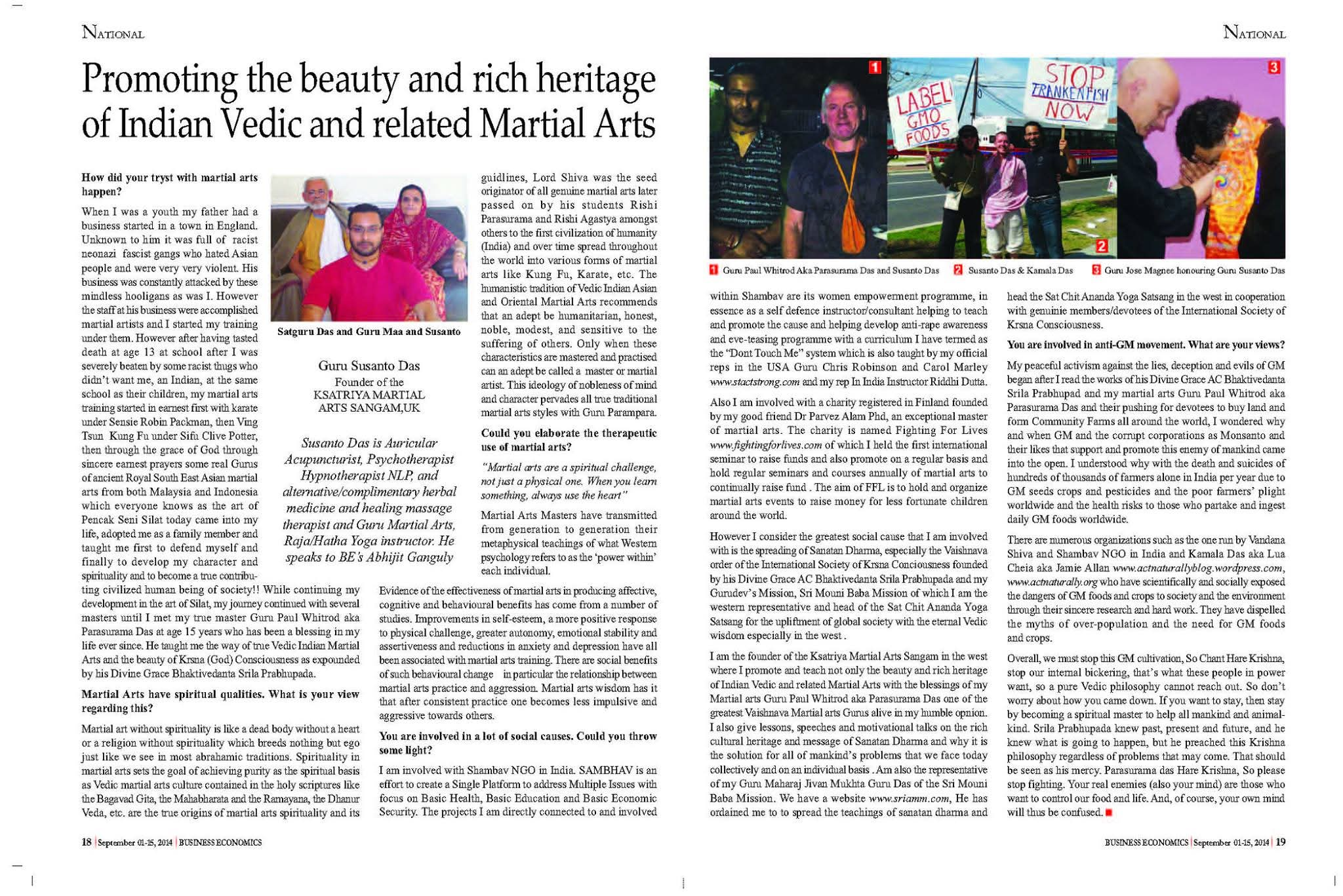
Master Riddhi Dutta has been studying martial arts for over 18 years and is a Close Quarter Combat expert and VIP Protection trainer who has taught Spec Ops units/ Law-enforcement Agencies and VIP Protection. His specialization being southeast Asian warrior fighting arts. He was born in Kolkata, India and has travelled all to Inodnesia, Philippines, China and various other countries researching, learning and teaching. He was exposed to Pencak Silat through Guru Susanto Das who is based out of Herthfordshire, UK, Guru Susanto gave Pak Riddhi his initial instructions in Pencak Silat and taught him many important fundamentals and concepts like Langhkah, Sikap/Pasang, Pukul, Mati Gerak and Makan Gerak and many other such fundamentals along with the mos important aspects of conduct in Silat (Adab/ Aadat) creating a very strong base for his future journey in Pencak Silat. Training with Guru Susanto gave Master Riddhi insight into various Pencak Silat systems that includes Garuda System of Kshatriya Silat, Harimau Al haq, Silat Sendang and a few others, though in fragments but this exposed Master Riddhi to the true internal power of Silat and helped him to acquire the interest to take-up professional Pencak Silat. Master Riddhi also had some insight into Bukti Negara Silat, through his training with Master Mannie in Ka-Bo-Si system.
His dedication and commitment to Pencak Silat over the years has led him to become the first Indian to be accepted as a student by Guru Besar Bambang Suwanda, Grandmaster of Mande Tri Suwanda in Jakarta, Indonesia, where he received his complete professional training and understanding of Indonesian Pencak Silat, mainly in the West Javanese system of Cimande, Silat Harimau/ Macan, Cikalong and Kuntao. He lived and studied with the Suwanda family both in Bogor and Bandung and was adopted as a member of the Suwanda family for his undying spirit for mastering Silat and was taken to the ancestral home of the Suwanda’s and the resting ground of Pak Uyuh and Ibu Mimi Rukmini, by Guru Besar Bambang Suwanda to receive the blessings of their ancestors. Master Riddhi Dutta, received the prestigious and highly respected title of “Pendekar Muda” Young Master which is a Master Rank and also received Jagabaya training and Qualification under him, Master Riddhi is considered one of the most loved and favorite student of Pak Bambang and often Pak Bambang refers to Master Riddhi as “Anaku” (My Son) and they share a father-son bonding. Pak Bambang, his daughter Wakil Guru Hilda Octa and Master Riddhi has travelled to various schools in Java, during his visit and has Pak Bambang and Master Riddhi has also given Pencak Silat performance in the villages of West Java.
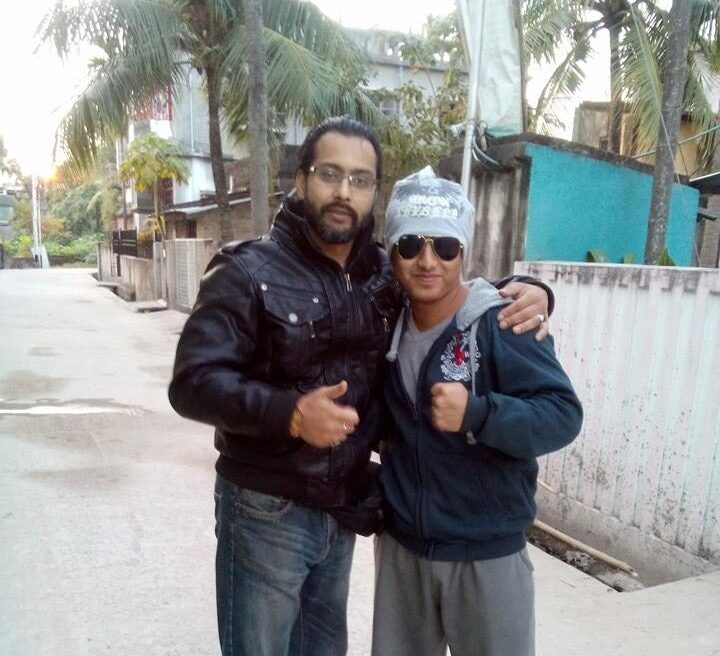
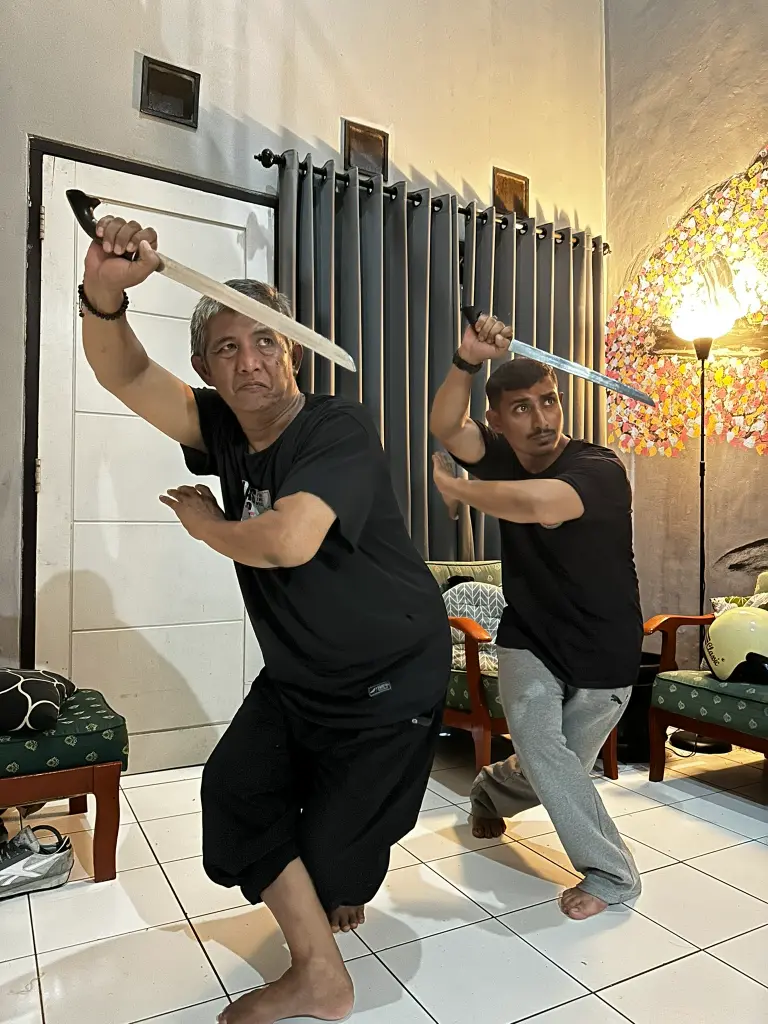
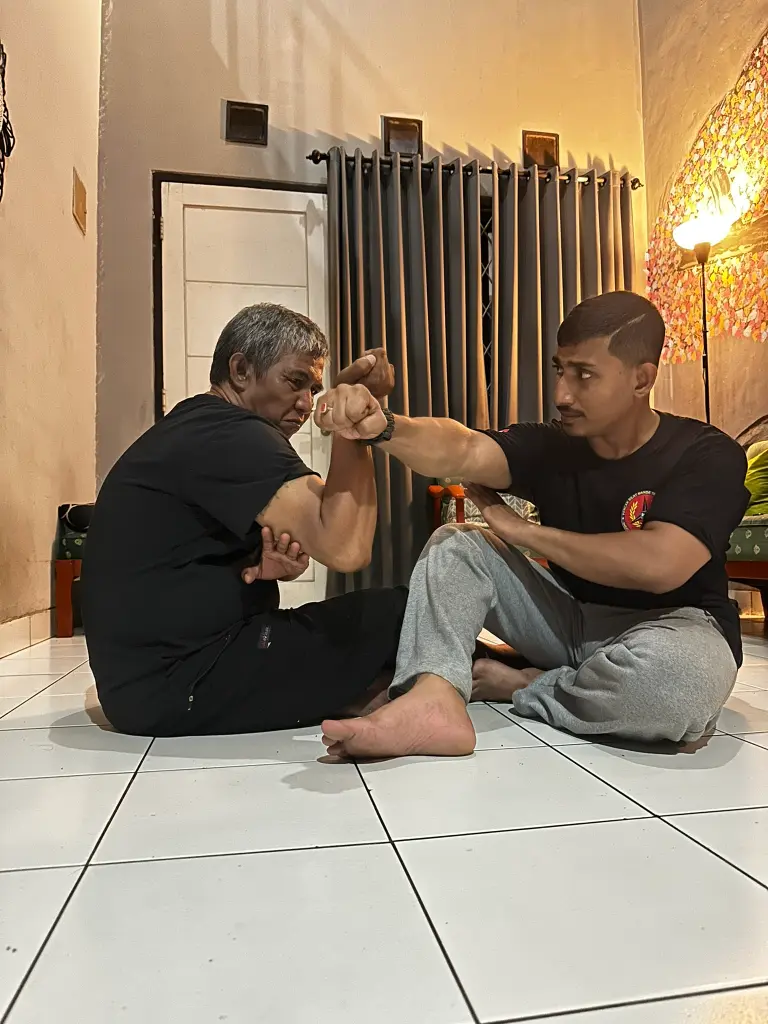
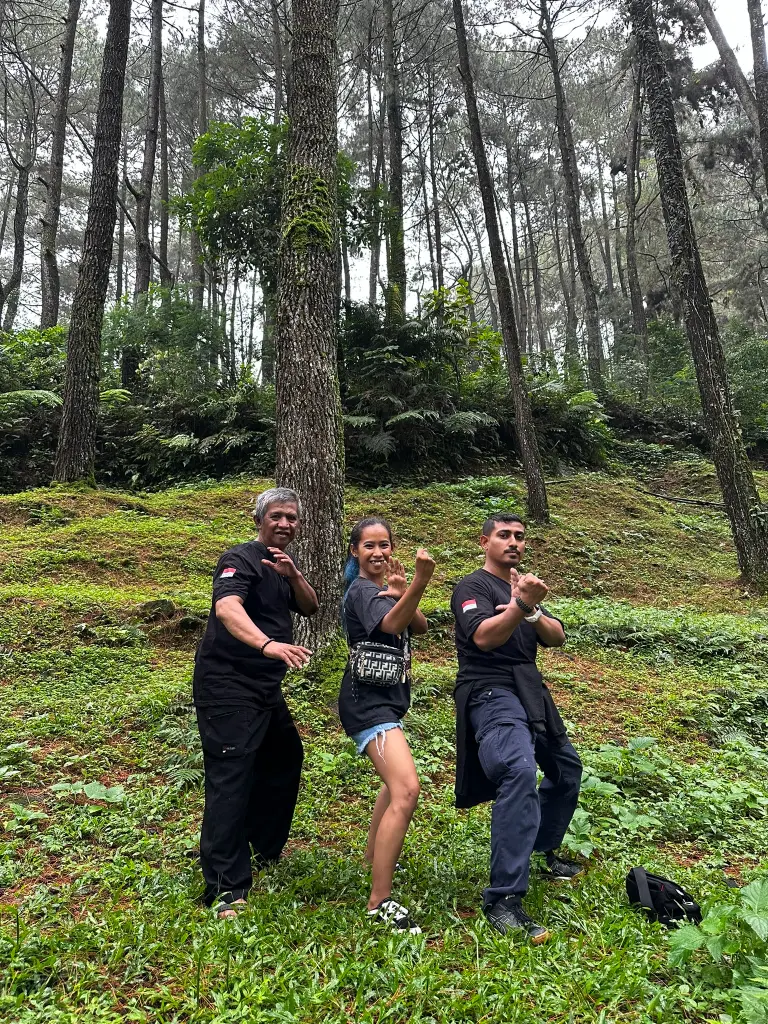
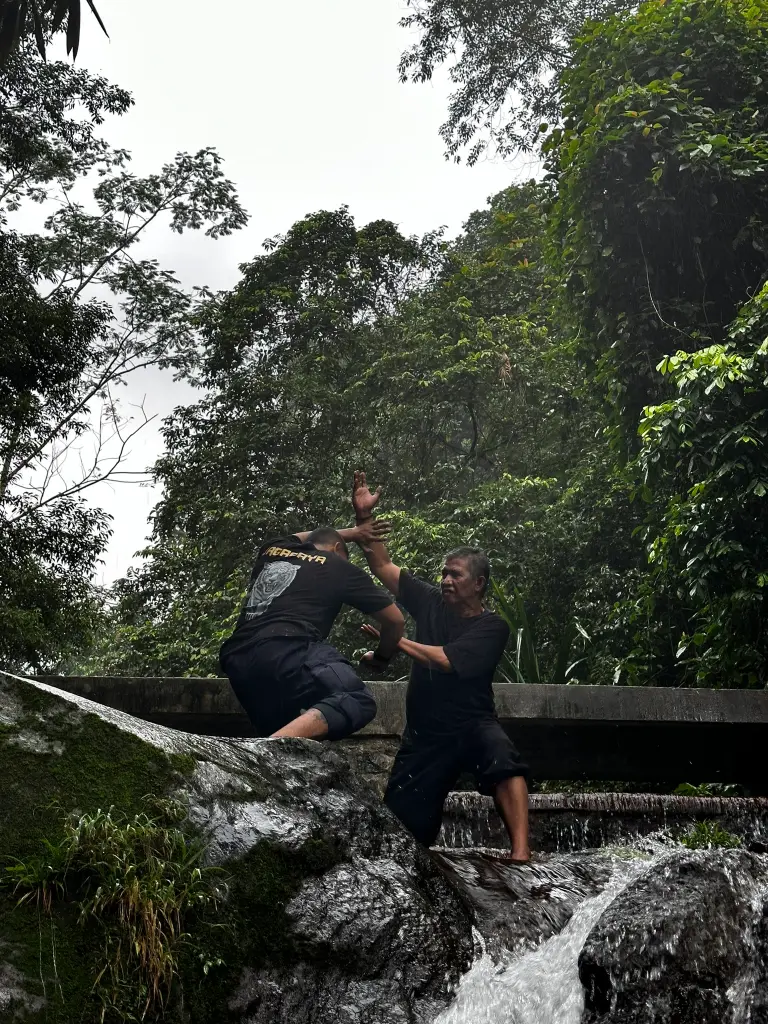
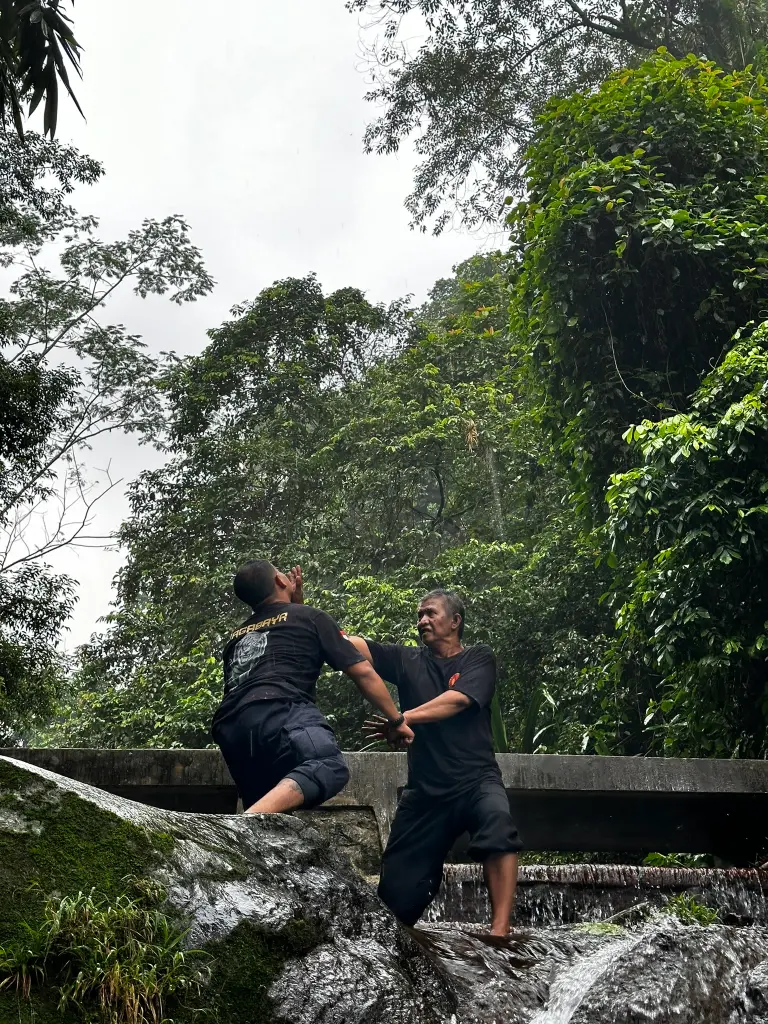
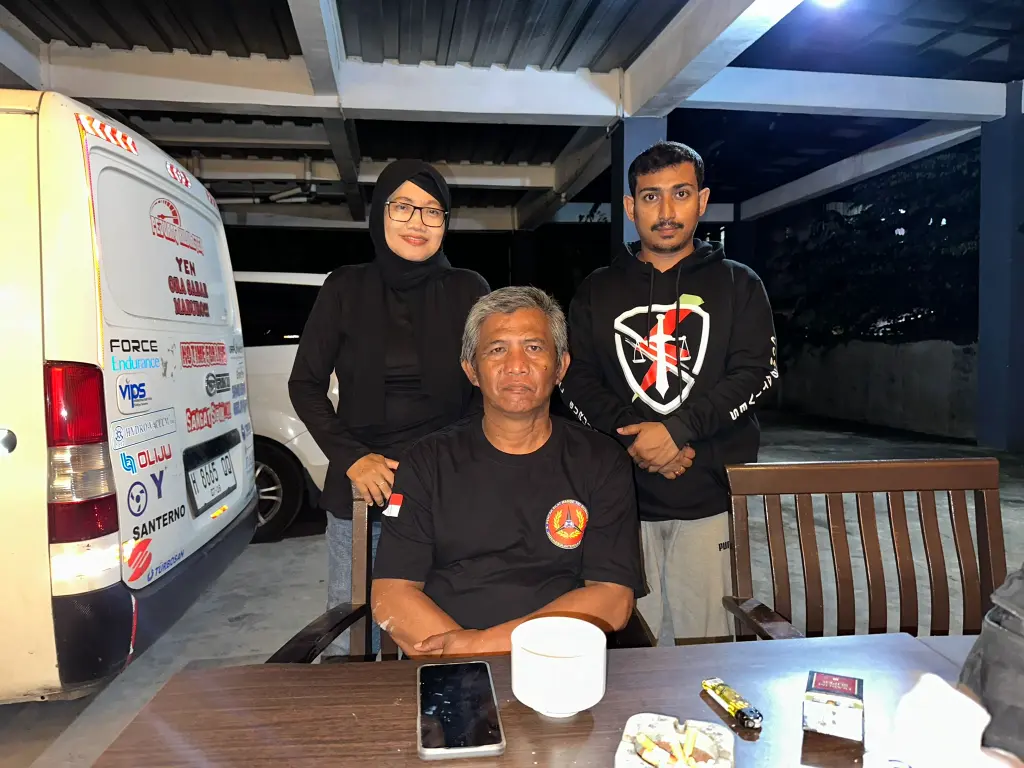
In addition to his role as the President of the “Pencak Silat Tradisi Asli”, Master Riddhi currently trains and teaches Pencak Silat to enthusiasts and martial arts experts. He also performs demonstrations at various events and conducts local and international seminars.
ABOUT THE SOURCE: MANDE TRI SUWANDA
The name Mande Tri Suwanda, Mande comes from the word “Cimande” which is believed to be the original Silat system of West Java and the “Tri” refers to the three pillars of this system of Pencak Silat Pendekar Uyuh Suwanda, Pak Herman Suwanda and Pak Bambang Suwanda, and Suwanda being the family name of the founders.
The founder of the family Grandmaster Uyuh Suwanda was the founder of the Mande Muda self defense system. Mande Muda existed during the Dutch occupation of Indonesia; however, it was officially founded in Bandung in 1951 by the late Guru Besar Uyah Suwanda. Like many perguruan, Mande Muda was practiced in secret, even after the Indonesian Independence.
Pak Uyuh had studied 17 different styles of Pencak Silat. He added Cimande, when he married Mimi Rukimi who came from Cimande village. Together they taught their combined system, which Pak Uyuh named "Perguruan Pencak Galuh Pakuan" and later founded "Perguruan Pencak Silat Mande Muda".
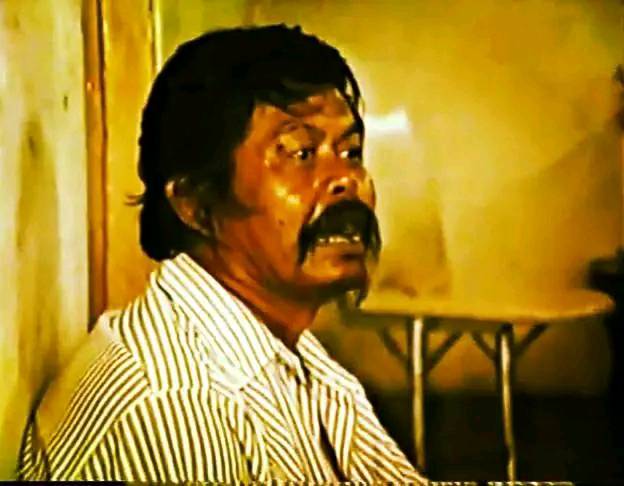
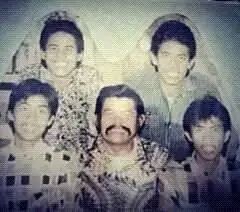
Pak Uyuh believed that each silat technique could be used differently in different situations and that there are no techniques which will work in all attacks. For this reason, he continuously studied pencak silat techniques and weapons to find the best answers to attacks, and ways to prevent attack. Pak Uyuh combined techniques from the 18 silat styles in an effective system which is unique and rich in knowledge.
Pak Uyuh died in 1989, and his wife Ibu Mimi Rukmini Suwanda continued to promote the school till she passed away on January 14, 2013, at the age of 100, Pak Herman Suwanda (head pendekar after pak uyuh) along with his younger brother Pak Bambang Suwanda began to study pencak silat from Pak Uyuh in 1960. In 1965, they began to also study with pendekars from other traditional Pencak Silat schools. Pak Herman began teaching in Indonesia in 1974, and in 1980, he travelled to the US to begin teaching there and Pak Bambang was now teaching classes on his behalf. In addition to supervising the schools in Indonesia, Pak Bambang accompanied his elder brother on many occasions in his extensive travels, teaching Pencak Silat Mande Muda seminars around the world. Pak Herman became the first master to introduce Silat in USA, with the help of his students like Dan Inosanto and some other notable martial artists of that time who were training under Pak Herman back in the days in the states, to suit the training requirement of the modern days Pak Herman wanted to introduce a progressive and step by step training module and asked Pak Bambang in Inddonesia to work on the syllabus for this, and the result was the development and Introduction of the Jaga Baya Program, this detail can also be traced in arguably the greatest Silat Book ever to be published “Pencak Silat Through My Eyes” authored by Pak Herman. Pak Herman is also credited for the introduction of sebatan methods in the family along with many other innovations and inductions.
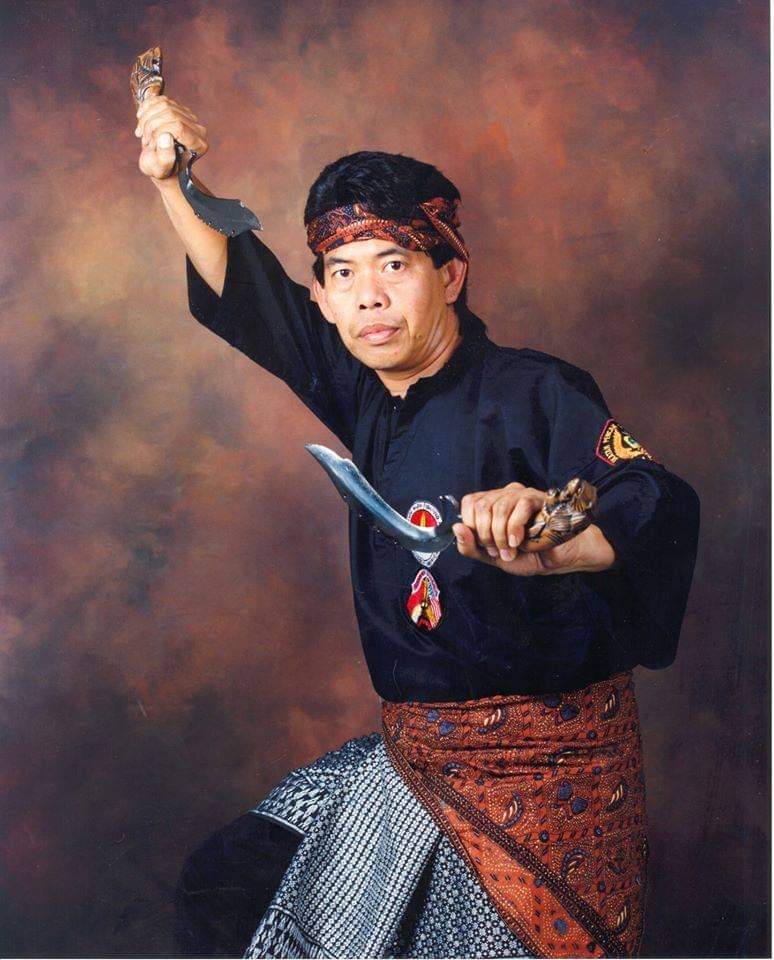
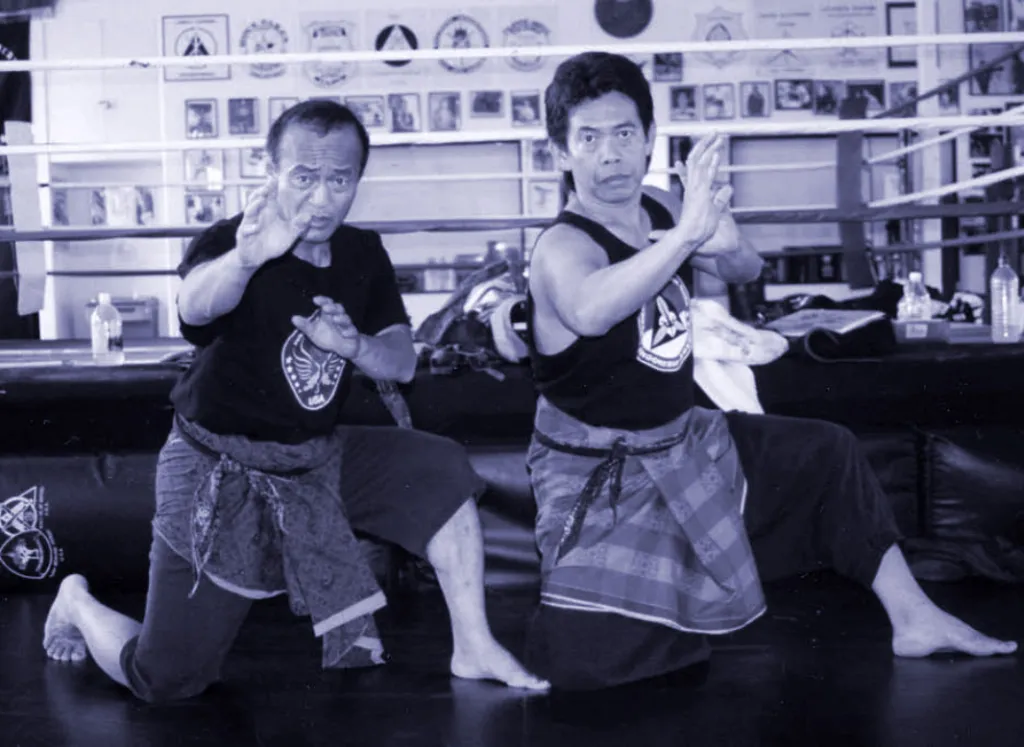
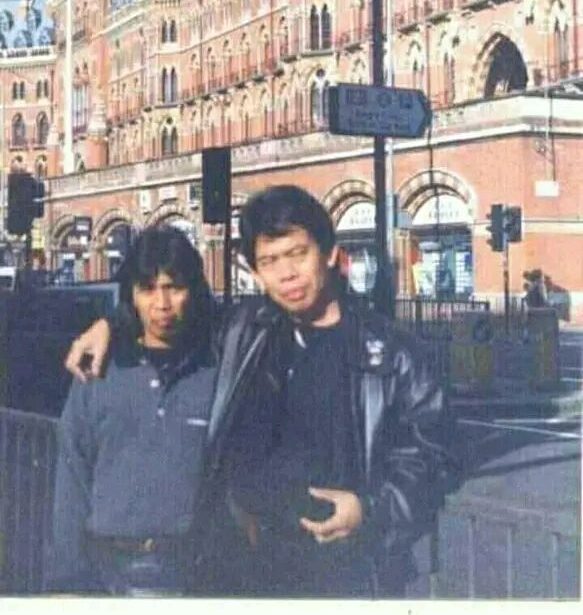
After Pak Herman’s death in March 2000, Pak Bambang continued the family legacy under the name of “Mande Tri Suwanda” and his Daughter Hilda Octa serves as the Wakil Guru of the organization.