

Ving Tsun Kung Fu : Direct-Simple-Efficient
The Guardian FistWong Shun Leung Ving Tsun Kuen Hok
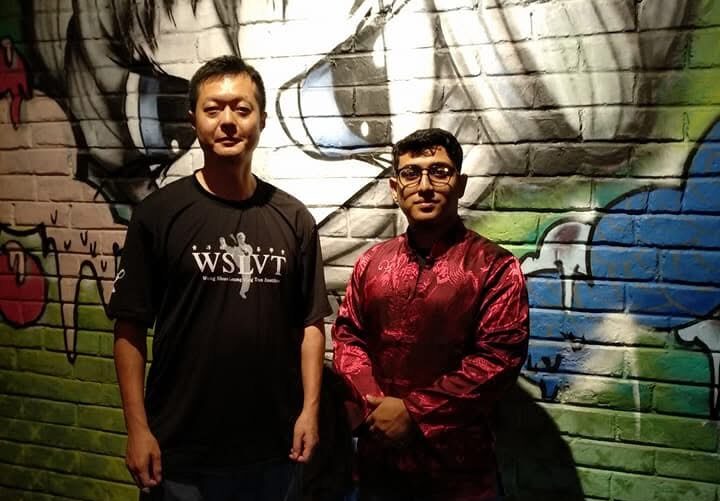
Sifu Riddhi Dutta – Pioneer of Wong Shun Leung Ving Tsun in India.
SPECIAL FEATURES OF WING CHUN
WHAT IS WING CHUN BEST SUITABLE FOR ?
CLOSE QUARTER SELF DEFENSE
LEARN AN INTANGIBLE CULTURAL AND TRADITIONAL MARTIAL HERITAGE
IMPROVING HEALTH AND VITALITY
BUILDING SPONTUNITY AND INTUITIVENESS
MEDITATION IN MOTION
AS ONE OF THE BEST ONSCREEN MARTIAL ARTS, PERFECT FOR ACTION CHOREOGRAPHY (Ip Man Series, Prodigal Son, Warriors Two and many more)
OUR LINEAGE
Sifu Riddhi Dutta is the First Indian and Only Indian Disciple of Grandmaster Johantahan Wong Hong Chun, eldest son of Late Legendary Grandmaster Wong Shun Leung (Gong Sau Wong – “King of talking hands”) the most notable fighter of the School of Late Grandmaster Yip Man and the sparring coach for the then young, Legendary Martial Arts Icon and Actor “Bruce Lee” (also, the most famous amongst all of Grandmaster Yip Man’s Student and responsible for popularizing Chinese martial arts in Hollywood)
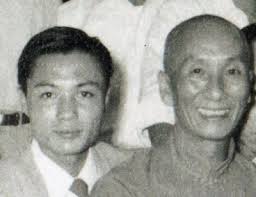
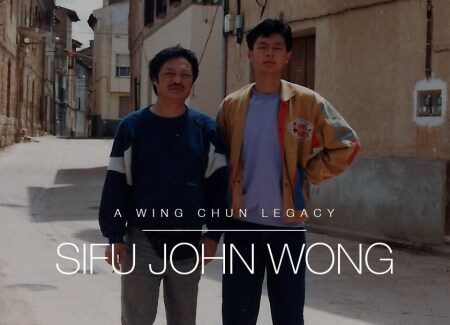
THE LEGENDARY WONG SHUN LEUNG
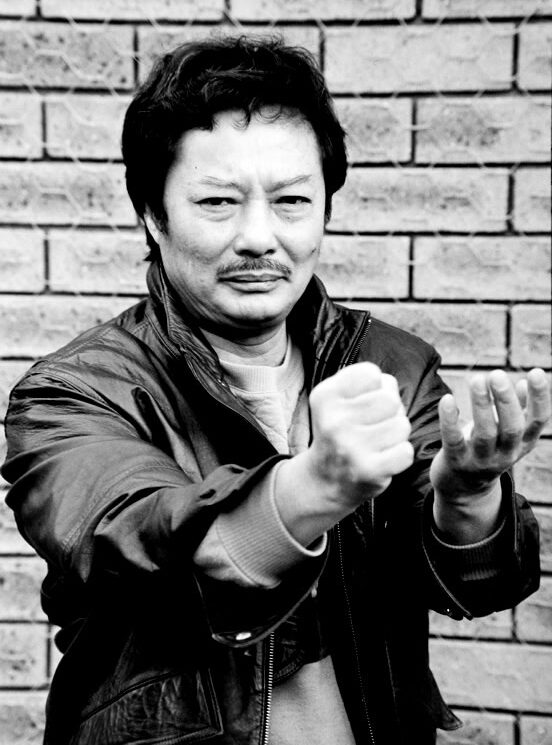
Wong Shun Leung was a Hong Kong Grandmaster of Ving Tsun, trained by the Legendary Ip Man.
As the story was told, the young Wong Shun Leung loved to fight and challenged Ip Man at his training center. Ip Man put him in his place and so impressed with his technique, Wong Shun Leung immediately wished to became one of Ip Man's students.
Master Wong was always eager to enter beimo (比武) matches with other martial art organizations. These were fights with little to no rules and were illegal in Hong Kong and fights were finished once the other competitor was knocked out. Wong excelled at these matches. While illegal and secretive, there is no official record, but it is thought that Wong Shun Leung never lost a fight.
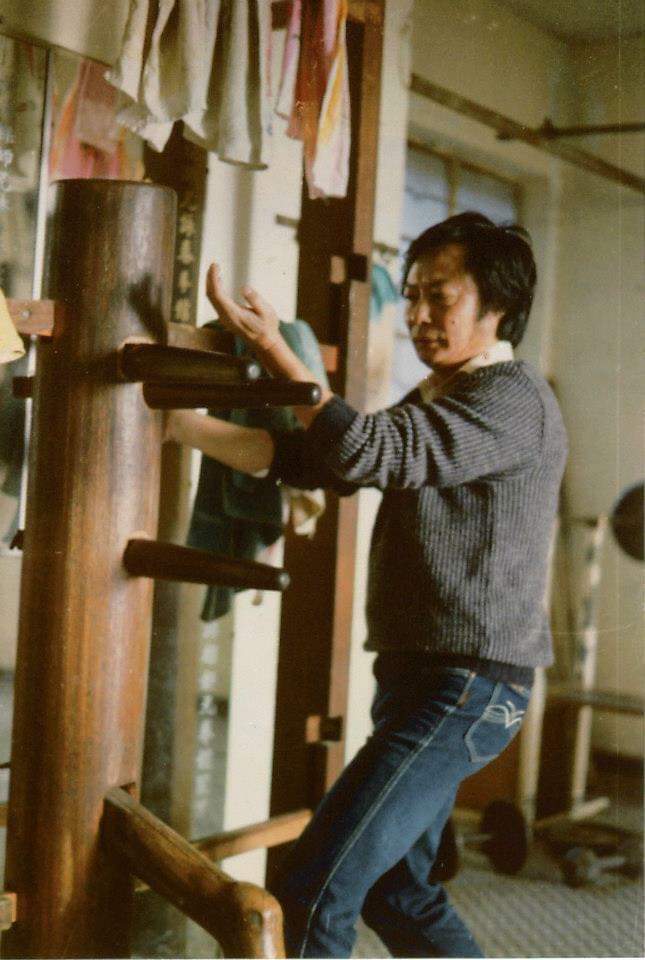
BACKGROUND / HISTORY OF WING CHUN
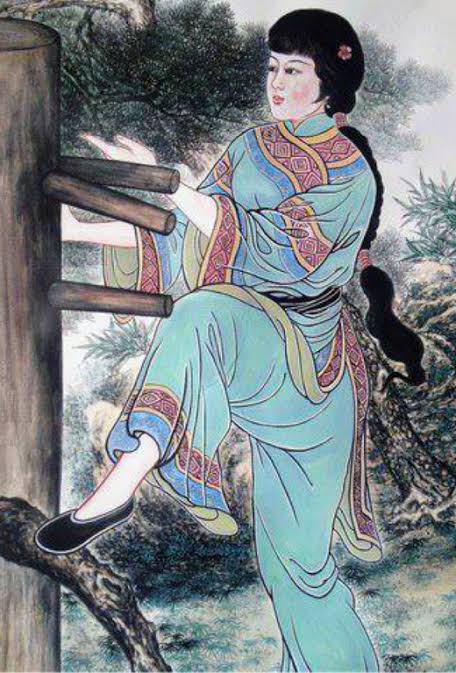
The origin of Wing Chun Kung Fu can be found in the turbulent, repressive Ching (Manchurian) dynasty of over 300 years ago.
The Qing Dynasty was the final imperial dynasty in China, lasting from 1644 to 1912. It was an era noted for its initial prosperity and tumultuous final years, and for being only the second time that China was not ruled by the Han people.
Han Chinese (also called Han; simplified Chinese: 汉族; traditional Chinese: 漢族; pinyin: Hàn zú) is an ethnic group within East Asian people. 92% of the Chinese population and more than 97% of the Taiwanese population are Han. Out of the entire human population in the world, 19% are Han Chinese.
It was a time when 90% of the Chinese, the Hans, were ruled by the 10% minority, the Manchurians. The Manchurians treated the Hans unjustly. For instance, all the female Han infants were made to bind their feet so that when they grew up they would be dependent upon their parents or husband. Men were made to shave the front of their heads and were forced to wear a pigtail (queue) to distinguish them as Han males, not Manchurian.
The work opportunity of the Hans was also restricted. They were not allowed to hold a position above a certain level of Government. Heavy tax burdens were placed on the country, so that the Manchurians could have economic control of the Han people.
Martial Arts training was also banned for the Hans; however the Manchurian Government was adopting the Han culture. The Manchurians respected the Siu Lam Temple as a Buddhist sanctuary, since the Manchurians were Buddhists as well.
When all weapons were outlawed by the Manchurians, the Hans began training a revolutionary army in the banned art of Kung Fu.
The Siu Lam Temple became the secret sanctuary for preparatory training of a classic style which took 15 to 20 years for each person to master.
Five of China’s grandmasters met to discuss the merits of each of the various forms of kung Fu, in order to develop a form with a shorter learning period. By choosing the most efficient techniques from each style, they developed training programs that would develop an efficient martial artist in 5 to 7 years, one-third the original time.
However before this new form could be put into practice, the Siu Lam Temple was raided and burned by the Manchurians Ng Mui, a nun, was the only survivor of the original five grandmasters.
Ng Mui passed her knowledge onto a young orphan girl whom she named Yim Wing Chun. The name means “Praise Spring”, representing “hope for the future”, a future without Manchurian domination and injustices.
In turn Yim Wing Chun passed her knowledge to her husband, Leung Bok Chao.
Through the years the style became known as Wing Chun. Its techniques and teachings were passed onto a few carefully selected students.
After Yim Wing Chun passed away, Leung Bok Chao taught his nephew Wong Wah Bo.
Wong Wah Bo joined the Red Junk Opera Company and taught Leung Yee Tai who was an actor in the company.
Leung Yee Tai and Wong Wah Bo both taught Leung Jan who in turn became famous for his skill in Wing Chun kung fu.
Dr Leung Jan was born Leung Tak-wing in 1826 in Heshan, Guangdong, His father later moved to Kuai Zi, Foshan and ran a traditional Chinese medicine Dit Da clinic there.
At the age of 18, Leung Jan was trained by Leung Yee-tai in Southern Shaolin skills.
Yee-Tai later introduced Jan to his partner Wong Wah-bo. Wong was also a Gulao (古勞) resident like Jan, and he taught Jan the whole Wing Chun skill set.
From 1870 onwards, under the nickname Leung Jan, he made a living as Dit Da practitioner within the Wing Sang Tong (榮生堂), also known as Jan Sang Tong (贊生堂), in Foshan and would occasionally take in students to train them in Wing Chun privately.
His name eventually became well known due to his wins in competitive bouts and he was respected by other martial artists.
He was called Mr. Jan of Foshan (佛山贊先生). He later became a government official and was known as King of Wing Chun Kuen (詠春拳王). His training and medical hall was looked after by his student Lee Wah (李華), nicknamed Woodman Wah (木人華).
Leung Jan opened an herbal shop in Fat Shan, where he practiced medicine. At night he trained his sons and Chan Wah Shun.
After Leung Jan passed away,Chan Wah Shun took over the instruction of Wing Chun and Leung Bik left the province.
In time, Chan Wah Shun accepted Yip Man as his last disciple.
WING TSUN, VING TSUN or WING CHUN?
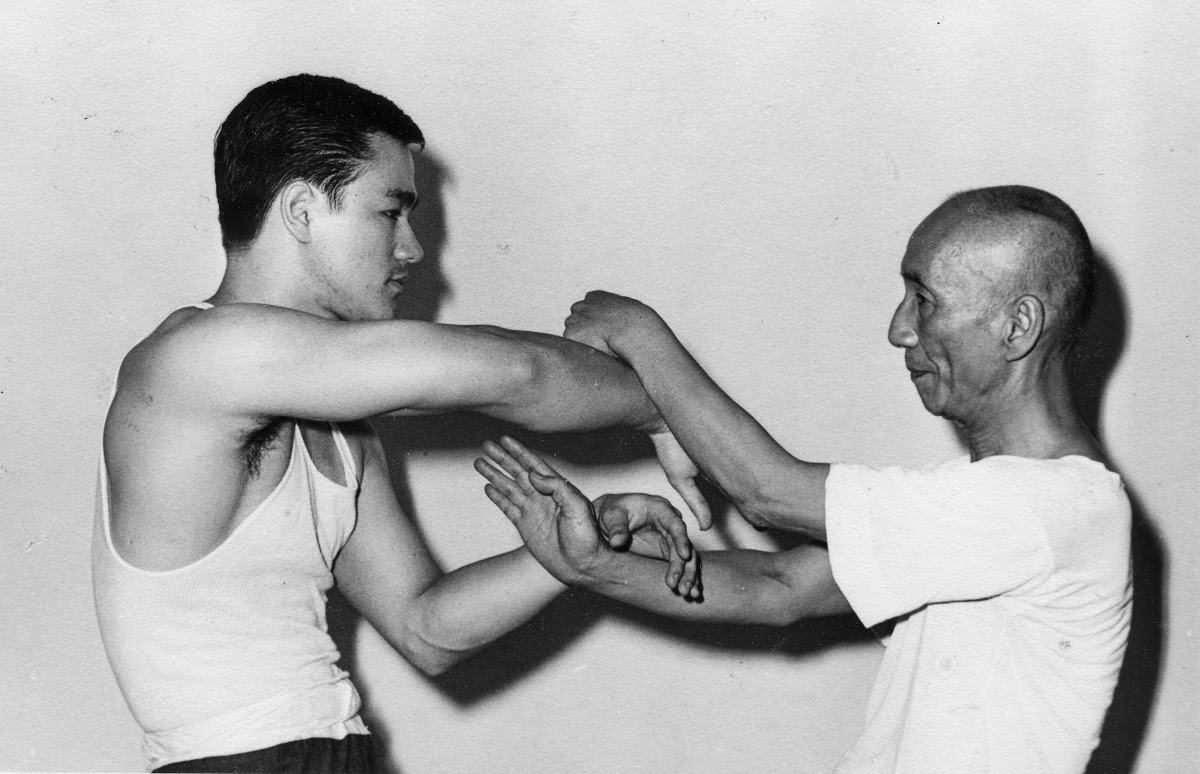
Actually it is only about the phonetic translation of two Chinese characters 詠春 which in Europe usually refer to the same origin, namely Yip (Ip) Man. When Yip Man came to Hong Kong in 1949, the city was an English colony (1843-1997) and the most common foreign language was English. The Chinese term 詠春 can be called phonetically in the English language as Wing Chun, which is still used as a upper term. Since Wing Chun is abbreviated also called "WC" and thus provide grounds for ridicule, Yip Man opted for the spelling Ving Tsun Kung Fu. Also because of the "V" like Victory, the term seemed to him to be more appropriate.
INSIGHT INTO VING TSUN FORMS
"SIU NIM TAO" YOUNG IDEA / BASIC CONCEPTS
This first form is the most important, our entire combat concepts are built on this form. It trains body and mind. In our stance (Yee Ji Kim Yeung Ma) the muscles in the body are strengthened and the spine is relieved. This form teaches the ability to coordinate your own body precisely and consciously. Important elements are to occupy the center line, the alignment (Chiu Ying), or the elastic forward pressure (Lat Sau Jik Chung).
"CHUM KIU" BRIDGE SEEKING
This second form is moving our first Siu Nim Tao form. It teaches the development of the force from the hip rotation (Juen Ma) and the beginning of the footwork (Seung Ma). Also the concept to use both arms at the same time is taught. This form leads up to more efficiency and speed. A combat is very dynamic and the opponent is not a cooperative training partner. The Chum Kiu gives us important tools to focus on the target, to chase the opponent (Jui Ying) and even in difficult situations to control your balance.
"BIU JEE" POINTING FINGERS
The Ving Tsun theory is a perfect combat system. However we are not computers to implement a theory to 100%. The Biu Jee form takes us outside the Wing Chun “Box” and represents a sort of emergency technics to deal with in hopeless situations. For example when we have been hurt, fight against several opponents or weapons are used. The goal is to regain control to limit our own damage. In order to adapt quickly to extreme situations, this form is very dynamic and breaks with some important basic ideas of the Siu Nim Tao or Chum Kiu form.
"MUK JAN CHONG" WOODEN DUMMY FORM
The wooden dummy form contains elements from all three previous forms and is taught according to the second form (Chum Kiu). It can also be seen as a 24 hours available training partners. As an important training tool, it is used to improve distance, timing, coordination and attacking angles. The body is trained to move as a compact unit. When practiced correctly the practitioner receives a clear feedback to bring his skills to a higher level.
"LOK DIM BOON GWAN" 6.5 LONGPOLE FORM
The longpole training improves your control, balance and body coordination. This form with his special training drills (solo- and partner drills) creates an enormous structural force. The deep Shaolin stance (Sei Ping Ma) in conjunction with a close rear elbow on at the ribs, teaches explosive action with the power from the ground. This form does not necessarily have to be trained towards the end of the curriculum. Training the longpole after the second form chum kiu offers an excellent addition to your everyday training.
"BAAT CHAM DAO" DOUBLE KNIFE
The concepts and angles of this form are quite different than in the empty hand training. The eight cutting knives are almost entirely dependent on the sharpened edge of the blade for power. For this reason it is not advisable to facing our armed opponent frontal. We want to flank our opponent by a special footwork. The knife techniques are a specialized way of using the open hand actions. This is where speed, timing and fighting spirit can be further developed.
TRAINING CONCEPTS & SPECIALIZED DRILLS
WHAT IS CHISAO ?
The Chi Sao is the core essence of Wing Chun training, it is a partner workout in which we are in a constant exchange of power with our partner and leads to the expansion of one’s awareness. During Chi Sao we try to find the most direct way to the target, while maintaining proper structure, superior positioning, timing and sensitivity (using the body, not just hands) . Chi Sao is not fighting, it should only help us to build up the right reflexes and develop intuitiveness in action under pressure. In Chi Sao there are some important things to consider. Apart from the fact that one should always be on the shortest way to the goal, we always have to maintain our body structure. For example the head as the highest point. If you move your head to much you constantly need a balancing movement and because of this movements you finally become unstable. When the basic stance is practised correctly you can develop a feeling for your center of mass. When you know how to control your center of mass during Chi sao, you can absorb incoming forces.
BENEFITS OF WOODEN DUMMY TRAINING (Muk Yan Chong) :
If you have already learned the first two forms (Siu Nim Tao, Chum Kiu), you are ready for the wooden dummy (Muk Yan Chong). This training tool improves your feeling for the right distance, timing, body structure and much more. The concepts and techniques of the wooden dummy training are based on the empty hand forms of the system (Siu Nim tau, Chum Kiu and Biu Jee). Practitioners will notice, a new type of body control develops after only a short but intensive training period. Your movements will get faster, more precise and more effective. The actions on the wooden dummy are not executed too fast and not too slowly, but at a very measured and defined pace and range of its own. A common mistake in VIng Tsun is the use of too much muscular tension in movements, In Ving Tsun Kung-Fu the required force comes from the ground and travels through the entire body structure (one single unit) and attacks the center of the dummy, this special kind of power generation where one draw’s the power from the ground and delivers directly into his opponent that too from a very close distance is called the “Inch-Force / Inch-Power) in Wing Chun which is mainly developed though the training of the Muk Chong .The goal of the Wooden Dummy training is to move fluently, imagining as if one is fighting a real person, and with repetition and time one will be able develop the fluency needed to move on the dummy intuitively, without compromising with one’s balance, footwork, speed, range, timing and deliver inch-power with each of his actions, this skill will reciprocate in real life allowing the person to strike and control his opponent without getting jammed in between actions and deliver powerful attacks on his opponent from close and extreme close quarter with great speed, thus, not allowing him the time or space to recover or react and eventually, forcing the opponent to collapse under such pressure .
LONGPOLE (Lok Dim Boon Gwan)
If you want to improve your punch and coordination, you can use the long pole training (Lok Dim Boon Gwan). The longpole training requires many and regular repetitions. You will learn a new way to generate speed, maintain your balance and improve your explosiveness. Now you will learn to deal with heavy lever conditions and master them. Your body will learn to act precisely and controlled even under extreme conditions. For this training you should not wait for years. On the contrary, the longpole training can help you to focus on elementary important methods and principles and master them better. The training with the long pole is an extreme burden for the untrained body by its unfavorable and unusual leverages. Only with experience and the use of an intelligent body structure the pole suddenly becomes "light". Footwork, balance and elbow strength gives the rotations and linear motions of the Luk Dim Boon Gwan the necessary dynamic.
BUTTERFLY KNIVES (Baat Cham Dao)
If you can move well in the unarmed Wing Chun, it's time for the double knives (Baat Cham Dao). Now, due to the exceptional circumstances, new advantageous methods are being developed. Any wrong movement can be fatal. So in the "Wing Chun" Baat Jaam Dao training the distance changes. The way we generate forces as well as the way we perform our footwork. Now you get a special footwork to improve your coordination. Mastering this weapon requires a lot of skill and sweaty exercises. One more reason to start in time. All the exercises described above are training tools that should get you to your goal faster and easier. For this reason they were developed by humans for humans. The developers of this martial arts pursued their traditionally logical approach not only in fighting, but also in the training setup!
ABOUT OUR SIFU
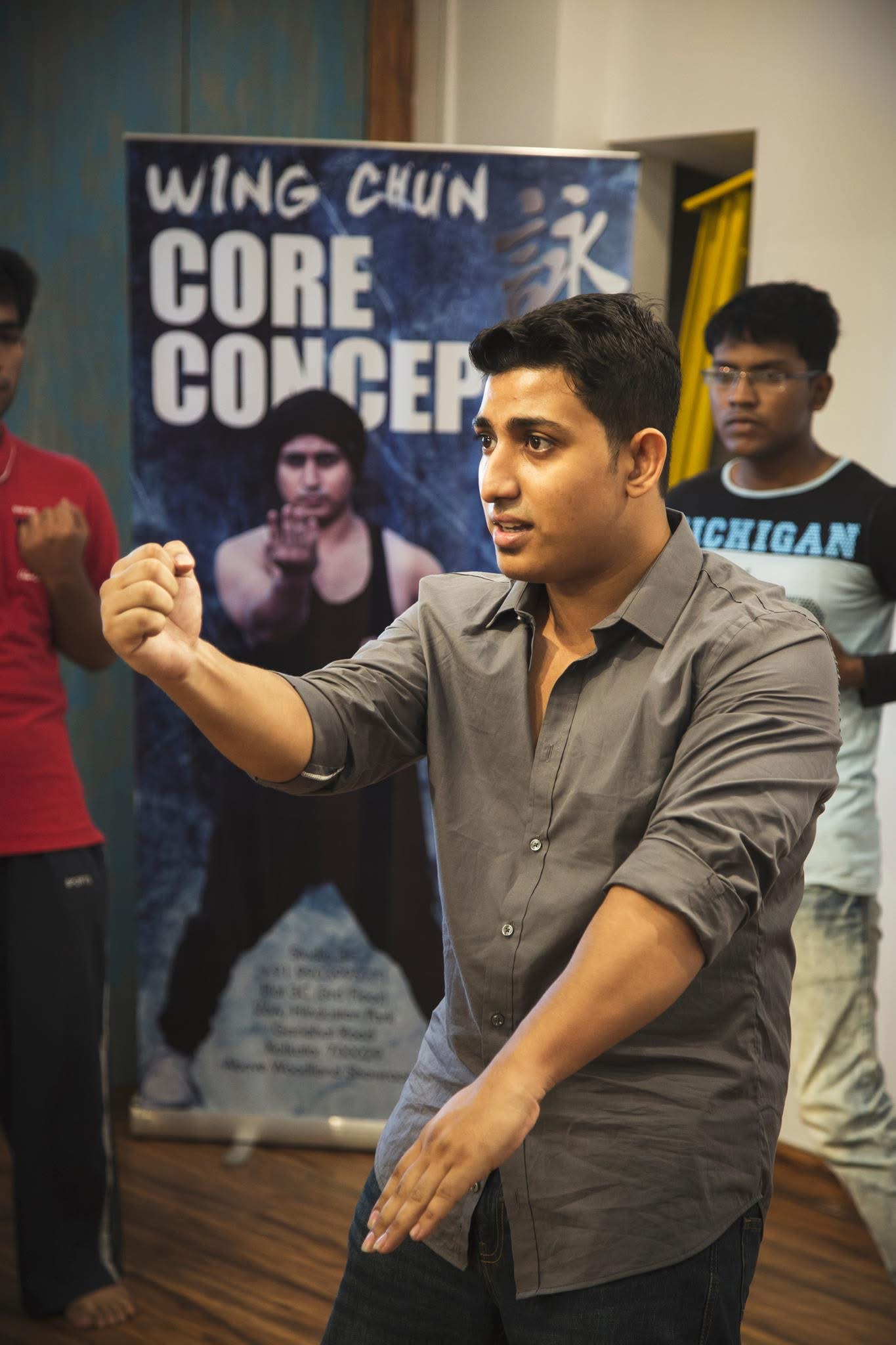
Greetings everyone, and welcome to “The Close Body Combat – Ving Tsun Kuen Hok” page. Sifu Riddhi Dutta, a wing chun kung fu practitioner – educator – promoter for more than a decade and the man responsible for establishing Ip Man - Wong Shun Leung Style of Hong Kong Wing Chun in India and he teaches Ving Tsun under the formal name of “Close Body Combat”(the name itself goes hand in hand with the core principle of Wing Chun) which is WSLVT taught to me by my Sifu, following the the traditional methods taught by him and keeping the training as Physical as possible but through a proper progressive educational structure, which when followed by students builds their knowledge and expertise in Wing Chun Step By Step and in a manner that they become the best ambassadors of the fighting art form.
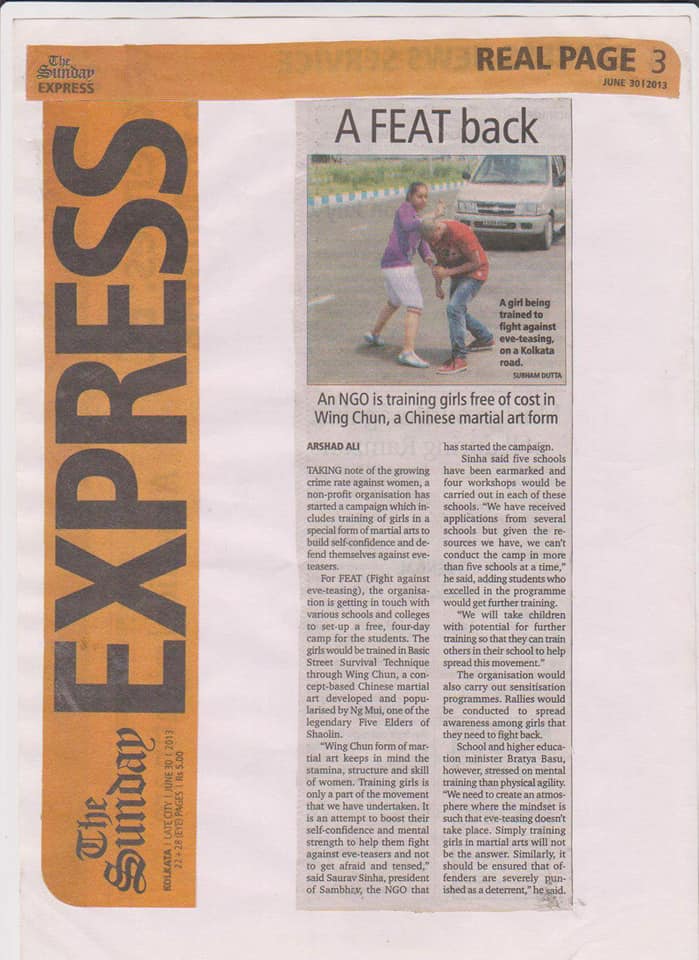
I started my journey in wing chun quite young, I guess around the age of 14-15 years and I was already studying some aspects and forms from the northern shaolin branch and did some karate and also was an amateur wu shu silver medallist in Eastern-India. I started my journey with Sifu Stephen Mcdonald (Nashville,USA) under him I studied the nuances of the foundations in Ip Man Branch of Wing Chun and graduated as an Instructor in 2012 as per his school’s standards, by then between 2010-11 I had already established a small study group for myself to train more and play with different energies, it was not a commercial venture and I used to teach on my roof and monthly renewals were as low as 2 usd per month and it was just guys trying to knockout each other with straight blasts, till I graduated in 2012 and a formal structure of training was introduced and yes, now we were looking at things like structure and sensitivity with greater respect. This small group “Wing Chun Kolkata” as I named it, and after 18 years today it is eastern India’s First and Oldest Active Authentic Wing Chun training source, back in the days this group attracted the attention of many enthusiasts across the state and even had foreign participants. With time and further in my journey in Wing Chun this group paved the path for the formation of Wong Shun Leung Ving Tsun Athletic Association of India and even today the memories are cherished by it’s original members who are now mostly in different paths of their lives, but are still connected through the spirit of Wing Chun .
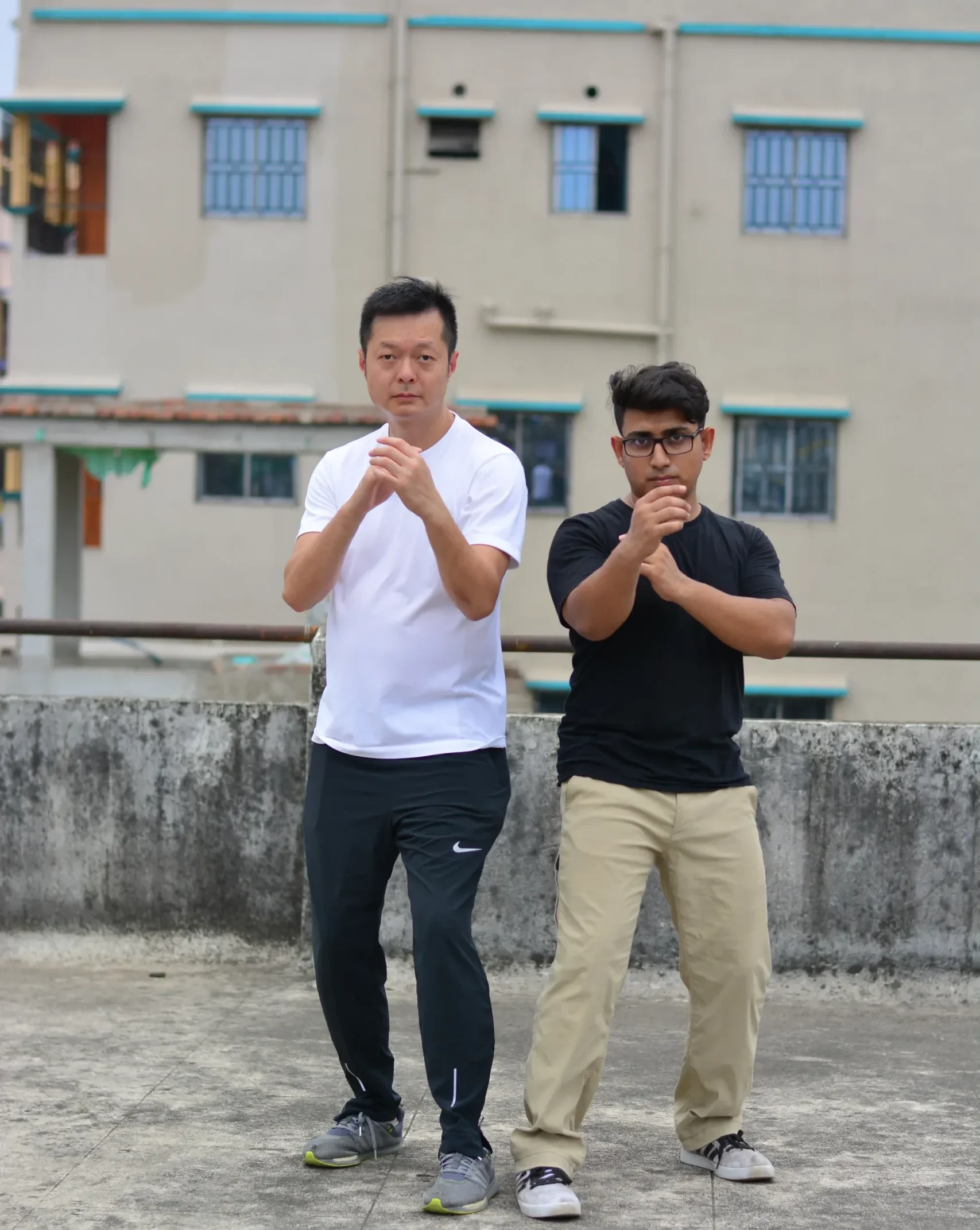
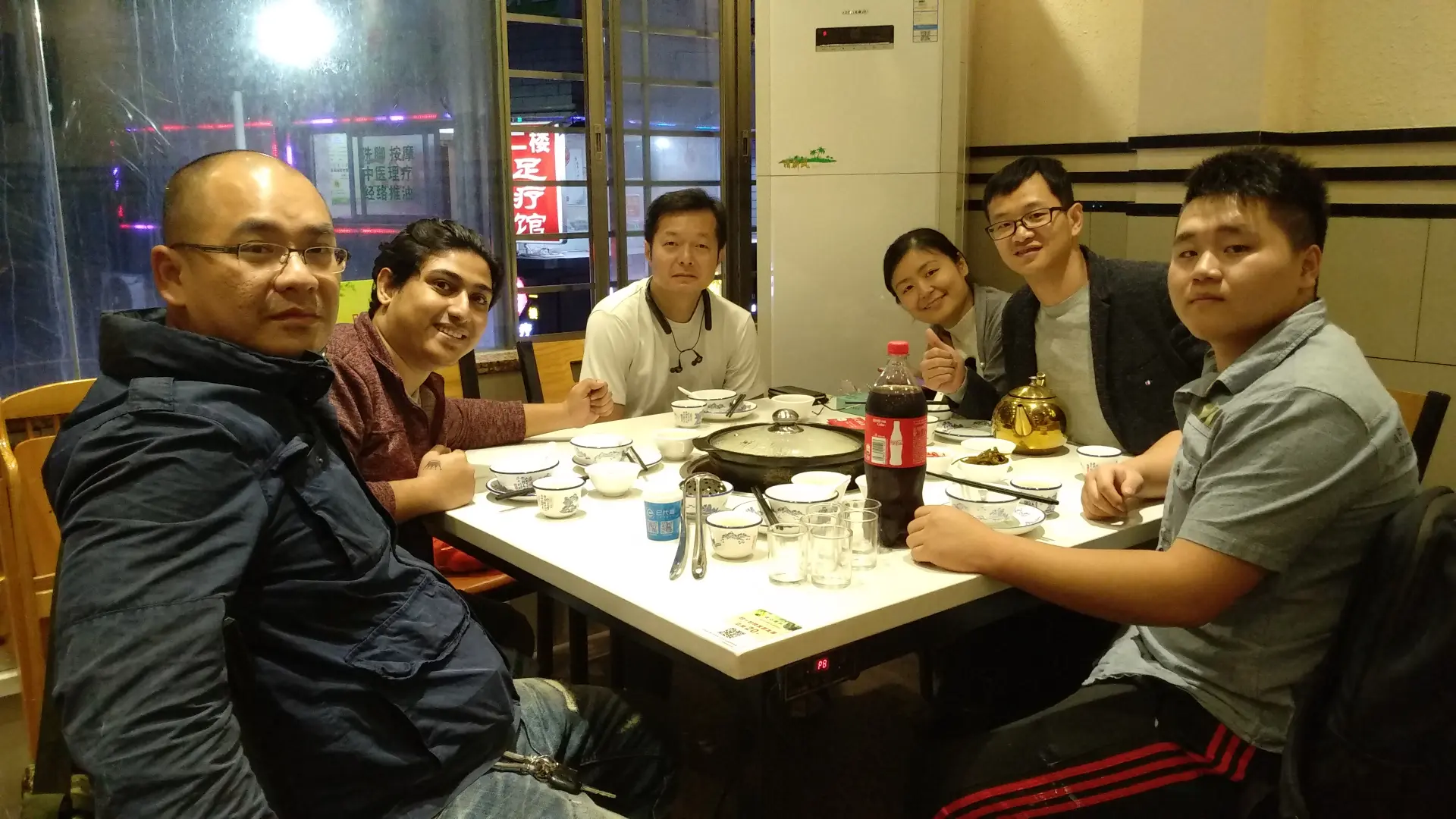
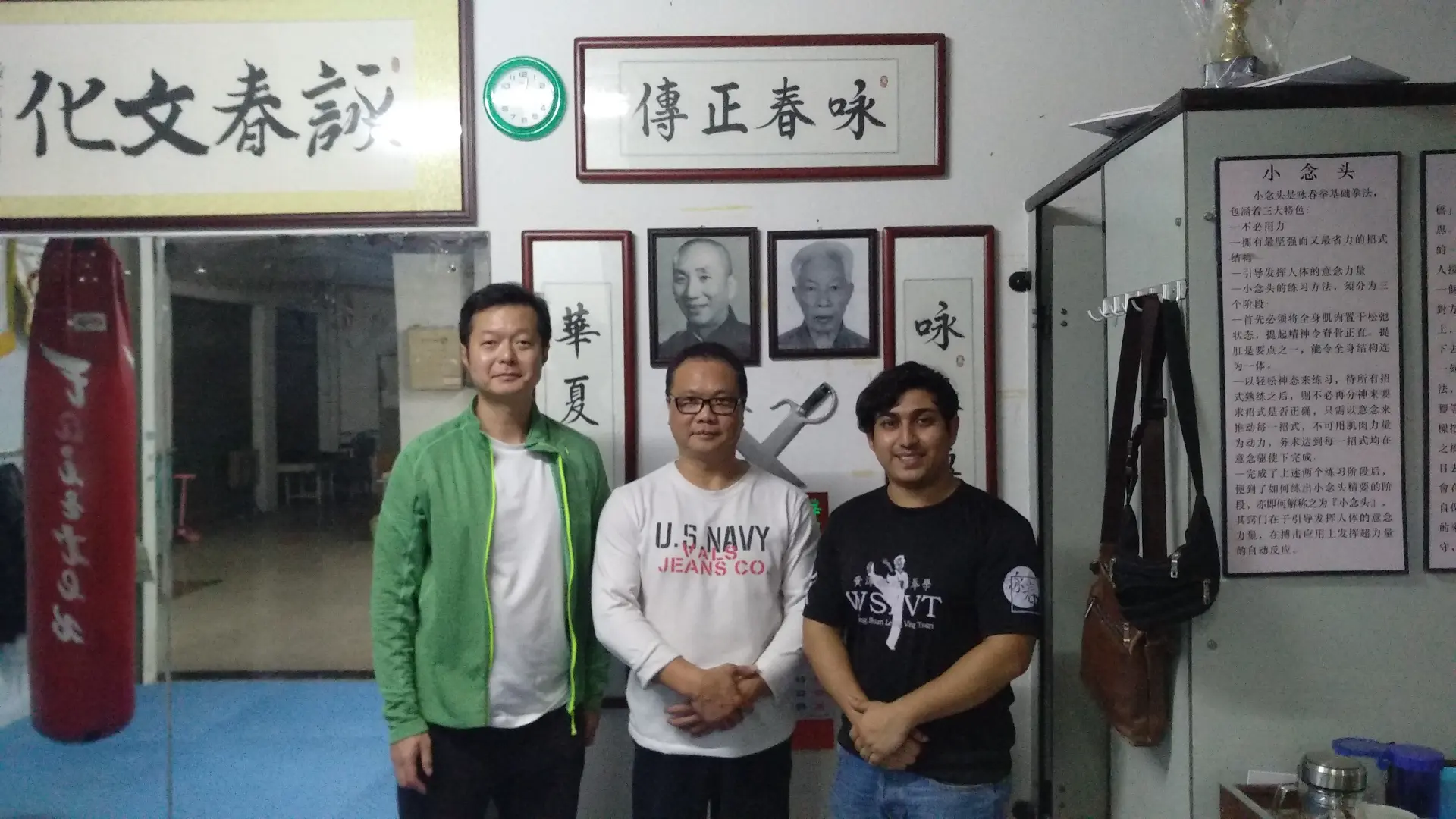
2013 – 16 was a period where i was trying my hands on other lineages within the wing chun universe and doing my research as I was on my way to find the best suitable wing chun system for my body type and mindset and as many know I was training in Filipino Kali and Silat as well, so I was first introduced to To wslvt through my UK based Silat Instructor, he studied it under an original student of Wong Shun Leung in UK and during this exchange I felt the depth in structure and rooting and the way this method was delivering powerful chain of strikes without compromising with precision I knew This was it. In 2017, I invited and hosted Grandmaster Johnathan Wong son of Grandmaster Wong Shun Leung in India personally for myself and my school and thus started studying under him in private, later continuing training with him in 2018, that year I had him over twice and was really digging into the system and later in 2019 upon his return on the last day of our training he asked me if I could come to China or HK and so I flew to china for a month and studied with him at his apartment, at schools far of from shen zhen where i remember I used to help him coach young kids and later with his group at night before and after dinner. I was fortunate to visit Foshan (kung fu city) with Sifu and there we also visited Late Grandmaster Lun Kai’s Group and was also introduced to VTAA. Later that year, Upon my return to India I also formed the Wong Shun Leung Ving Tsun Athletic association of India and GM Johnathan Won was made the honorary President of this Organization.
My wing chun has always complemented and always helped to sped up my understanding and learning other martial arts systems like Jeet Kune Do, Silat and Kali (Balintawak and Ilustrisimo in particular) and has also contributed in delivering courses for special ops and Police units as their CQC/CQB and VIP Security training instructor, in Close Quarter, Wing Chun or Ving Tsun is an Excellent Unarmed Fighting system which is based on positioning Speed and Structure rather than brute strength alone.
Today, I am teaching a lot of experienced masters and teachers from many different martial arts background. These students are from different countries and sometimes have more experience than me, I am teaching women empowerment programs – tactical training – courses for the specially able personnel, teambuilding and wellness programs for corporates and wing chun has something to offer and contribute to each of them. As a "self-correcting system" I am teaching Ving Tsun as an effective combat system which is based on his scientific approach. The path to perfection goes beyond the self-knowledge and is a continuous process. We are not programmable robots and human errors always can happen. However, for each mistake Ving Tsun Kung-Fu provides also a clever way of correction. These skills can only be learned through personal guidance of an experienced coach.
TRAINING PROGRAMS OFFERED:
While training with us, you will be taken through a step by step, defined and progressive training curriculum, which will help you to achieve your desired skill sets and which will allow you to convey your skills and knowledge in a very practical and direct manner. Our aim is to ensure high quality training and un-disrupted transmission of the system in the most traditional manner, while keeping in mind the practicalities required to make the system work on the streets of this modern-day world. we also want to produce expert individuals with well-rounded knowledge and expertise in the art Ving Tsun who can then carry forward the legacy in future.